Overview of Rainbow Club Nepal for the Blind
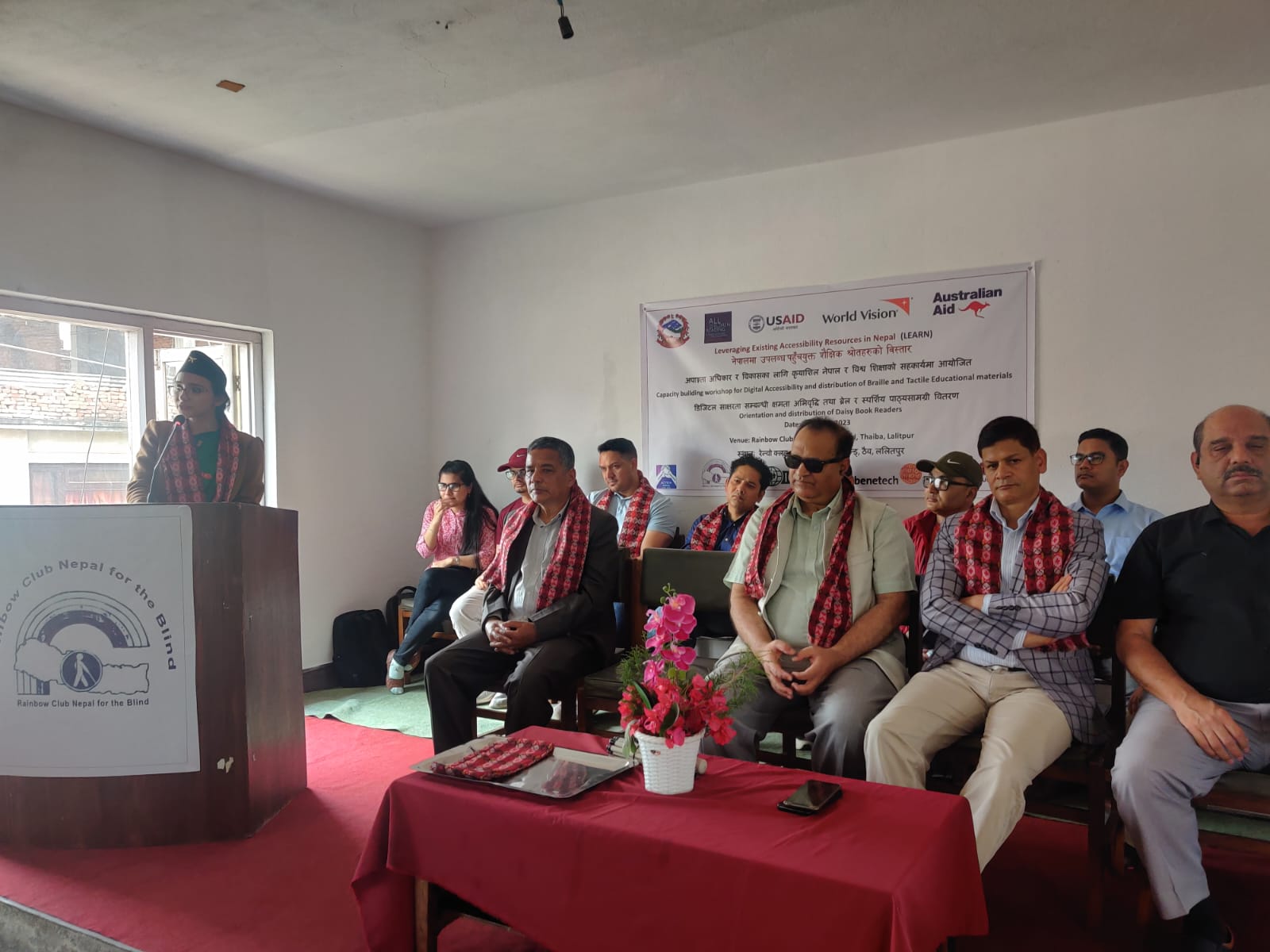
Rainbow Club Nepal for the Blind was established in 1995 , based on the wishes of the teachers of Namuna Machindra Residential Secondary School, Lagankhel were fulfilled with financial support from Japanese blind person and social worker Morio Masuda. He supported to purchase a piece of land in Thaiba, Lalitpur and supported to construct a building for the club, Mr. Masuda contributed to the development of inclusive education and promoting opportunities for Nepali blind students to advance the learning materials in Braille script. He opened opportunity of inclusion of learners with visual impairment in education by providing many Braille books of international level from Japan. This organization has supported students of Namuna Machhindra School with Braille material, Braille paper, Abacus, audio tape books and scholarships to many
visually impaired students since its establishment following its objective. After the untimely demise of Mr. Masao in 2001, the organization could not carry out its regular work as planned. The board was functional in the leadership of Mr. Aishworya Man Vaidhya, the club extended collaboration with the schools in the local community of Thaiba and linked them with Japanese schools to establish sisterhood relationship. The students exchange programs were continued for a couple of years however the programs were stopped after a few years. In the absence of regular financial resources and the shrinking engagement of the other board members, the club could not fulfill its legal compliance of renewal in the District Administration Office.
other board members of the organization could not do much to start the organization and
In order to fulfill the purpose of the organization, the founder Aishworya Man Baidhya adopted strategy to engage visually impaired persons in the leadership position and majority in the board. Consequently, Dr. Birendra Raj Pokharel, a person with visual disability, residing in Lalitpur, has been assigned as new president by the assembly of the club which was organised in the year 2018. Since then, the new board worked hard and presently the official compliances has been fulfilled with renewal of the club which was due for last 18 years. The club has now been registered in Godawari Municipality as well as the Inland Revenue Office, Lalitpur as a mandatory provision of the Government for any NGOs to work and extend partnership collaboration with International partner agencies.
Future perspective of RCNB:
Dr. Pokharel is the former JICA trainee who adopted accessible technology in Nepal and benefitting hundreds of thousands of persons with disabilities in Nepal by the latest technology producing books in DAISY and Epub format.
Adopting accessible technology in education for visual impaired persons:
Today the “half- billion people around the world speak or use languages which are based on Devanagari script.” Languages like Sanskrit, Hindi and Nepali are all based on Devanagari script. Nepali fonts are the basis of Nepali educational documents. At the present context of technology advancement, digital contents for educational materials along with printed books are available for the students. There is Braille script developed by Louis Braille, a Visual Impaired French educator, for persons with visual disabilities to access books and teaching materials accessible for visually impaired persons.
Braille is the embossed character with the combination of six dots printed on paper or plastic sheet. With the latest technology advancement, there is refreshable Braille displayer which is beyond the reach of the Blind students in developing countries particularly the countries like Nepal. The conversion of printed materials in readable digital text is especially important aspect for advancing educational and employment opportunities for persons with visual disabilities. The process of converting printed scripts into digital Braille as well as the text in audio format required Optical Character Recognition (OCR) which is used to convert the printed contents into digital text. Further such digital text can be converted into speech applying Text-to-Speech engine in computers or in the smart phones applying Android or IOS system.
Is there OCR available for Nepali language?
There are many OCR developed in English language for converting printed contents into readable text however the OCR for Nepali script is not developed well. The Devanagari text should be represented into Nepali Unicode formats.
Devanagari Script has a large basic set of characters – comprised of sixteen vowels and thirty-six basic consonants . Each of the consonants combines with vowel modifiers to create new character shapes. Conjunct Consonants can be formed by combination of two or more such consonants. As such the OCR for Devanagari script has been more challenging.
There is Nepali OCR (NOCR) developed by Nepal Association of the Blind (NAB) however the final product is not convenient and usable for quality task of scanning, recognizing, and reading the text. The students of ICT from Kathmandu University were engaged in development of Nepali OCR which contains a maximum range of errors. There is no format retainment of the document scanned and also the dwell language is not supported by the NOCR.
The visually impaired students and the employees are not being able to get benefits from this product thus it is very essential to develop the standard Nepali OCR.
Necessity of Nepali OCR:
Nepali OCR is essential for converting texts from images of typewritten or printed or handwritten documents into computer readable text. OCR enables conversion of texts in image data into textual data and facilitates editing, searching, republishing without retyping the whole document which is very essential for producing accessible books for students with visual impairment. The process of typing an entire document in order to replicate it is extremely time consuming. In order to overcome the above mentioned issues, Nepali OCR system is needed.
The textbooks are available for Nepali in Devanagari based script. There is widespread use of traditional font in Devanagari script in the printed and scanned Digital form. Devanagari Optical Character Recognition is a prominent lack for translation of books in accessible format. There is lack of uniform character sets for Devanagari script OCR, so the successful Devanagari OCR research requires an accurate and comprehensive benchmark to test research results. RCNB wishes to request the software developer company to research, establishing an accurate benchmark with respect to testing OCR essentials.
The RCNB request the software developer company to work in this essential project and develop error less OCR for Devanagari script as a prerequisite of the successful research output of developing Nepali OCR to enhance learning capabilities of students with print and visual disabilities.
Our Team Member
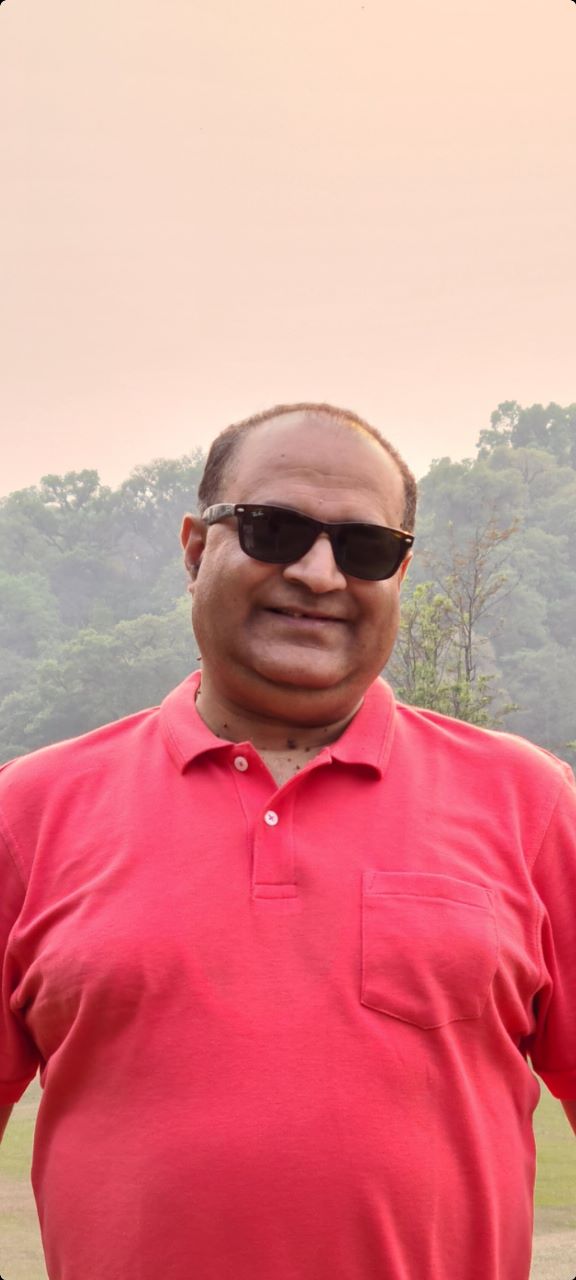
DR. Birendra Raj Pokharel
President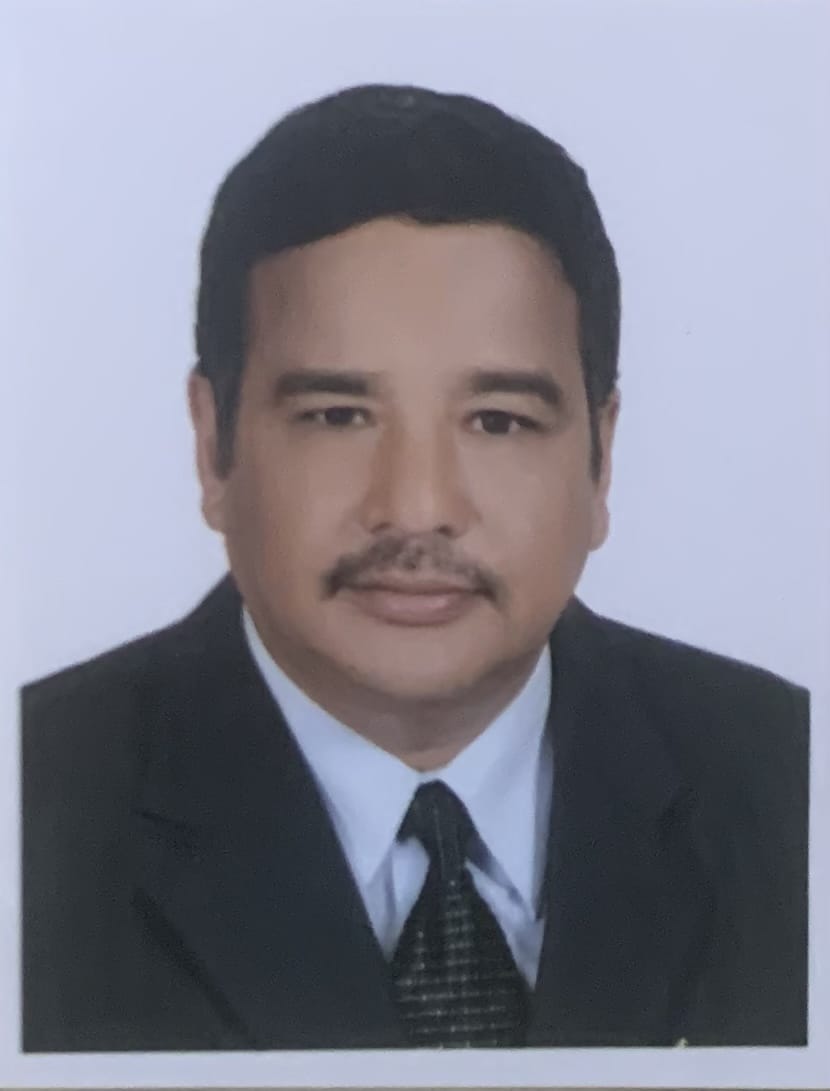
Aishworman Vaidya
Founder President
Prakash Adhikari
Vice President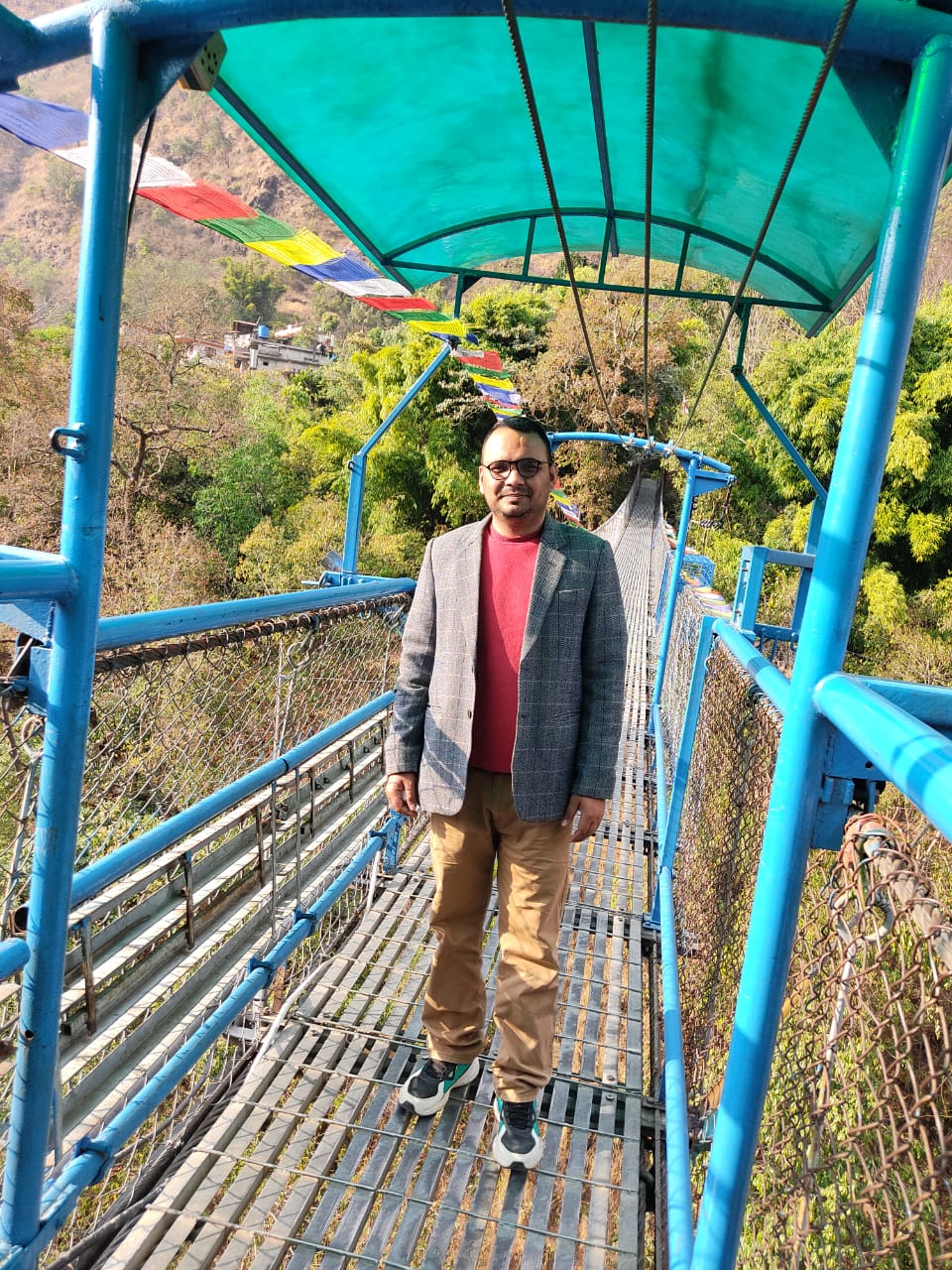
Tika Ram Parajuli
General Secretary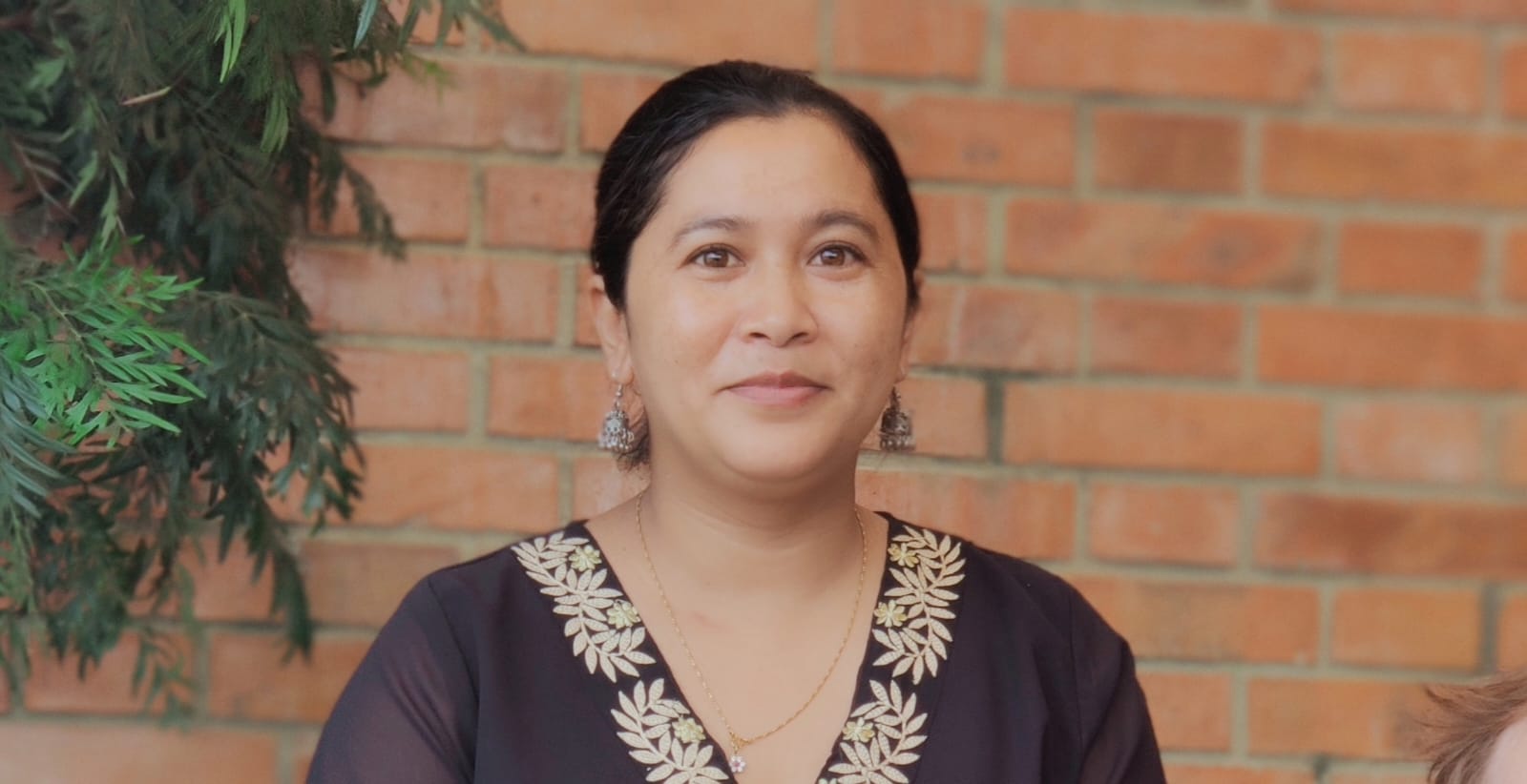
Laxmi Deshar
Treasurer
Dr. Aric Vaidya
Member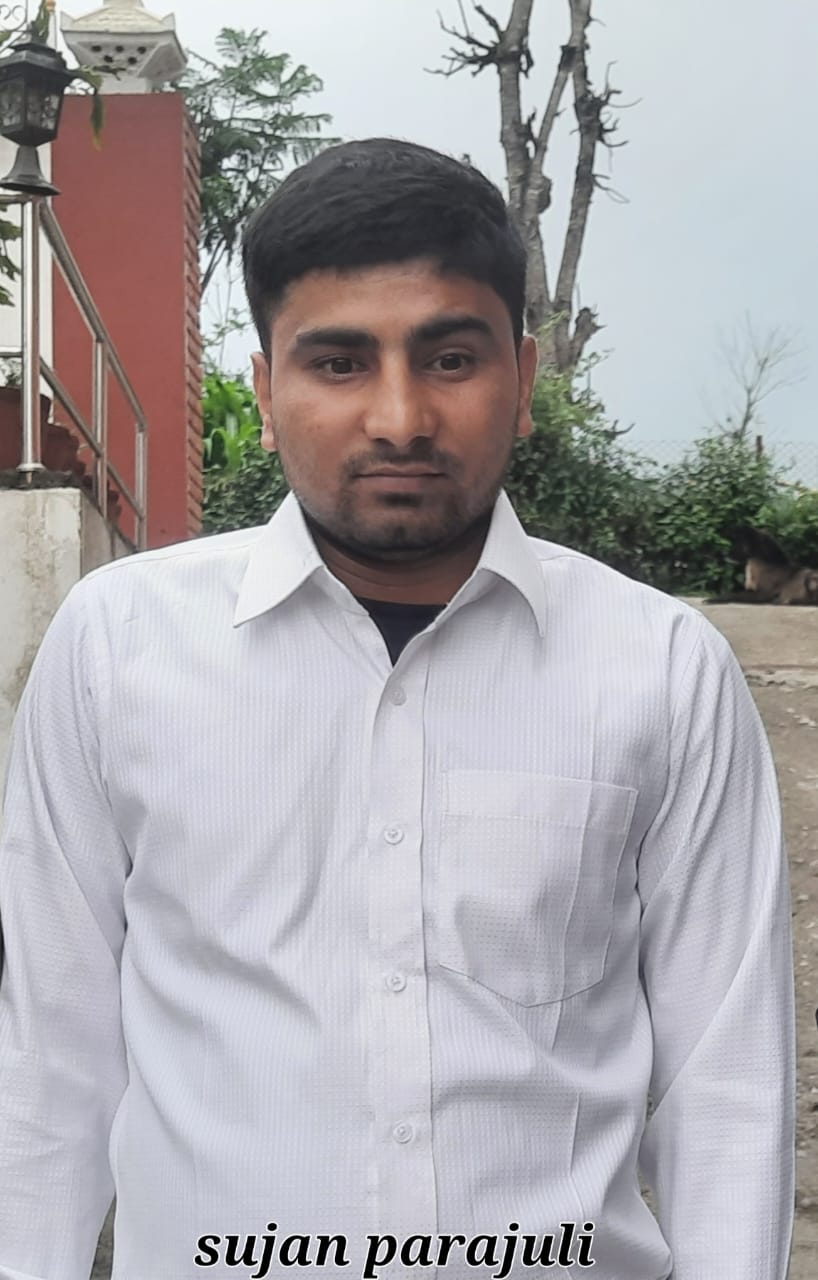
Sujan Parajuli
Member
Kushal Neupane
Member
Madhusudhan Ghimire
Member